01
Sulfur Burner
PROCESS
Thionex™ L is our next-generation, low-emission process. Thionex™ D is our DCDA proven industry standard. We help you choose the right one for your permit, schedule and budget, then deliver it as modular equipment.
Sulfur Burner
Waste heat boiler
Converter
Absorption tower
Auxiliary systems
Thionex™ L rethinks a process that has changed little in a century. Instead of air, it uses oxygen as the feed. Instead of a single pass through the plant, it runs a recycle loop. That combination cuts emissions and vent gas volume, simplifies the equipment and gives operators flexibility a conventional plant cannot match.
| Thionex™ D | Thionex™ L |
| Air feed |
Oxygen feed |
| Once-through gas flow |
Recycle loop |
| 4-pass converter | 2-pass converter |
| 2 or 3 absorption towers |
1 absorption tower |
| Emissions controlled by back-end add-ons | Emissions reduced by the process itself |
| Stick-built in the field | Modular, shop-fabricated |
THIONEX™ L
Thionex™ is designed for ultra-low SO₂ and zero NOx. Because the recycle loop sends far less gas to the stack, both the concentration and the total yearly volume of emissions drop. A smaller vent stream also means smaller piping and a smaller stack, which lowers capital cost.
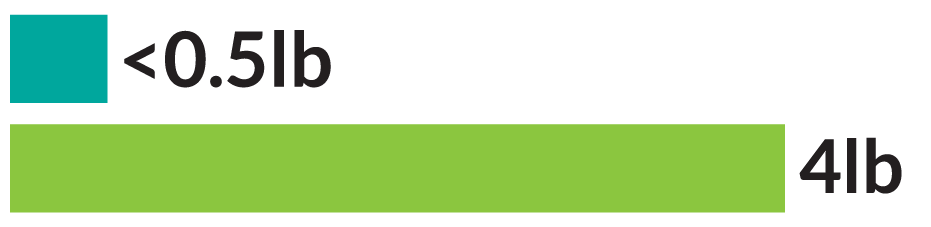
Units in SO2/ton of H2SO4
<1 lb of SO₂ per ton of acid versus the US limit of 4 lb per ton of acid.
For a new major-source acid plant in the US, air permitting alone typically takes 12 to 18 months. Lower emissions mean fewer triggered reviews, fewer triggered reviews mean a simpler application, and a simpler application means a faster approval. Thionex™ L is built to take advantage of that chain from day one.
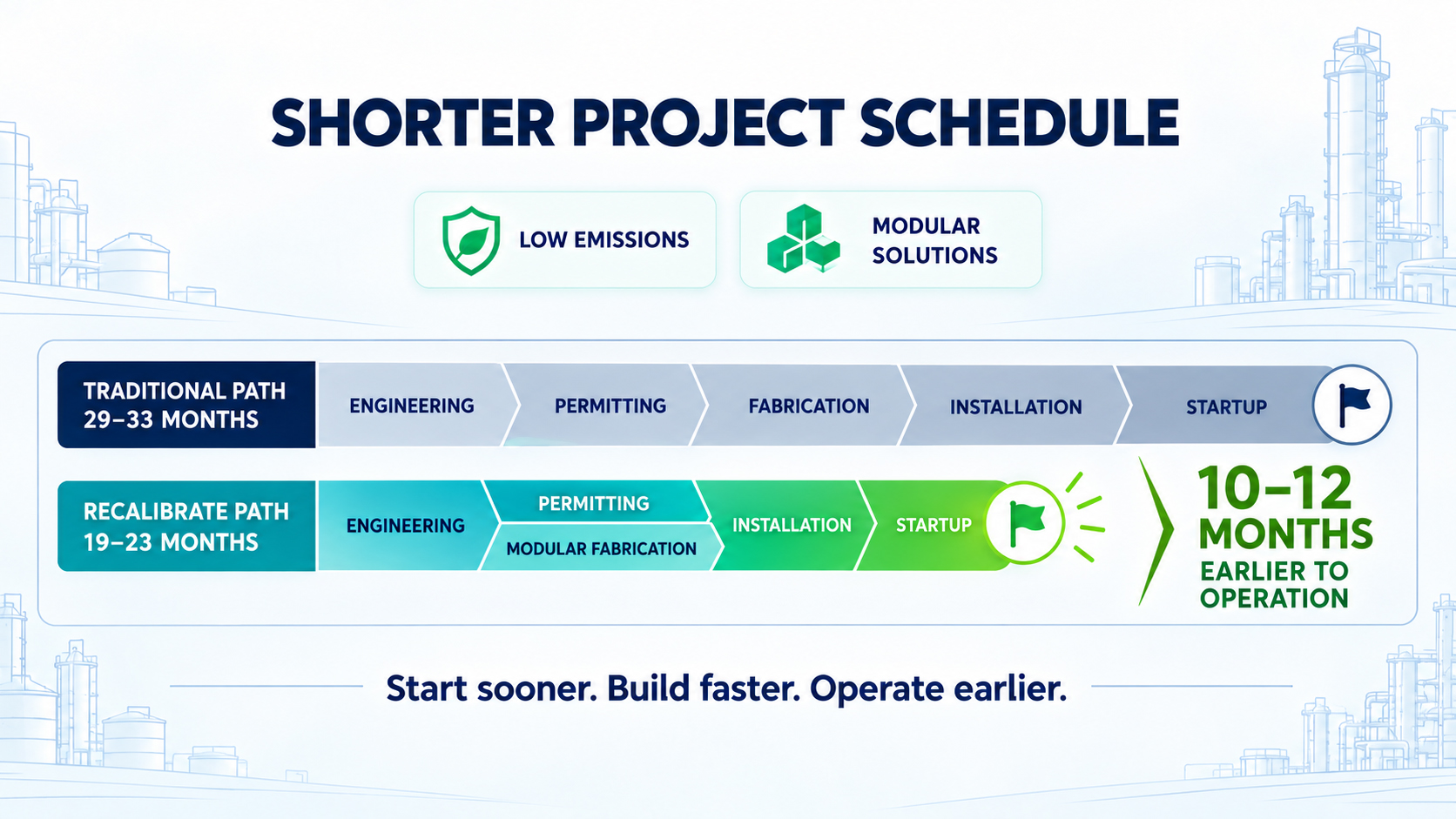
A traditional acid plant project takes 29 to 33 months from feasibility to operation. With early regulatory alignment and modular execution, Recalibrate targets 19 to 23 months, putting your plant into operation potentially 10 to 12 months sooner. That means earlier revenue, lower carrying costs, faster return on investment and less project risk.
THIONEX™ L
Thionex™ plants are built in transportable modules: sulfur burning, waste heat recovery, converter, acid absorption, acid cooling, emissions control and safety systems. Shop fabrication improves quality and safety and cuts field construction time. Standardized equipment and integrated controls make the plant simpler to run.
* Based on size, there may be some assembly required for the facility.
Thionex™ plants are built in transportable modules: sulfur burning, waste heat recovery, converter, acid absorption, acid cooling, emissions control and safety systems. Shop fabrication improves quality and safety and cuts field construction time. Standardized equipment and integrated controls make the plant simpler to run.
THIONEX™ L
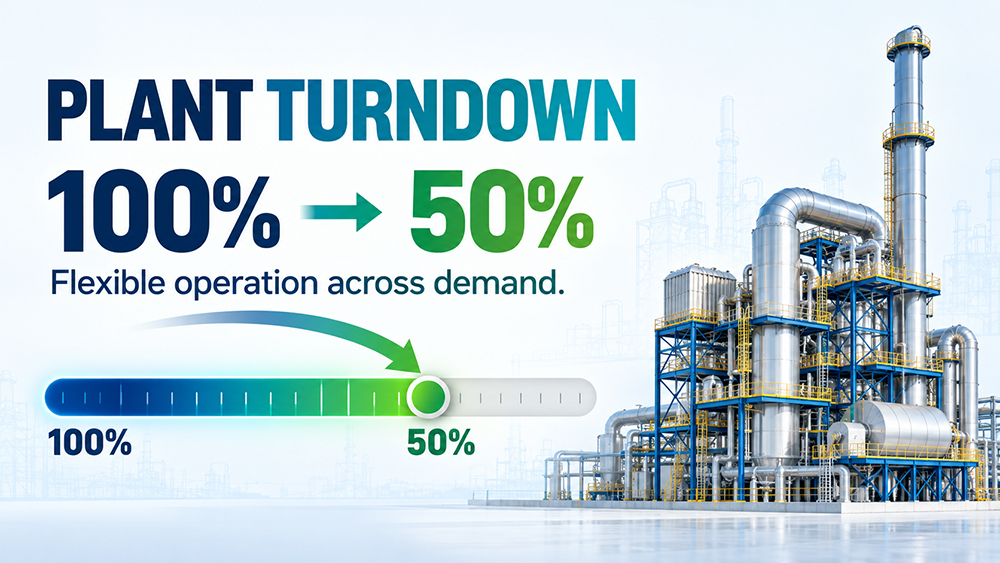
The recycle loop gives Thionex™ L better turndown than a once-through plant. Operators can run at reduced rates, pause the process and restart quickly, which saves downtime. In a multi-line plant, output can also be matched to demand by running fewer lines, and production can start and stop to suit site needs.
Double Contact, Double Absorption (DCDA) is the standard process for modern sulfuric acid production. SO₂ is converted to SO₃ over catalyst beds and absorbed, then passed through a second contact and absorption stage to capture what remains. Recalibrate offers its own DCDA design, delivered with the same modular approach and lifetime support.
DCDA is familiar to operators, regulators, lenders and EPC contractors alike. Choosing it means well-understood design standards, trained operators and an established supply chain. Recalibrate pairs this traditional technology with modular construction, in-house catalyst expertise and a team focused on smaller plants.
Thionex™ plants are built in transportable modules: sulfur burning, waste heat recovery, converter, acid absorption, acid cooling, emissions control and safety systems. Shop fabrication improves quality and safety and cuts field construction time. Standardized equipment and integrated controls make the plant simpler to run.
Our Techno-Economic Analysis compares the options for your site.